I’ve Done 13 Ultra-Luxury Cruises. Here’s What No-One Tells You
I’ve Done 13 Ultra-Luxury Cruises. Here’s What No-One Tells You
When we spend more on anything, a flight, a hotel, a car, we expect more. More options, more features, more everything. So, when travellers decide to upgrade from resort lines like Royal Caribbean, premium lines like Princess, or even small ship luxury lines like Oceania and splash out on a much more expensive ultra-luxury cruise, it’s natural they assume it is going to be all about more, much more.
But many then quickly discover it isn’t, which is why so many first-time ultra-luxury cruisers I meet are disappointed.
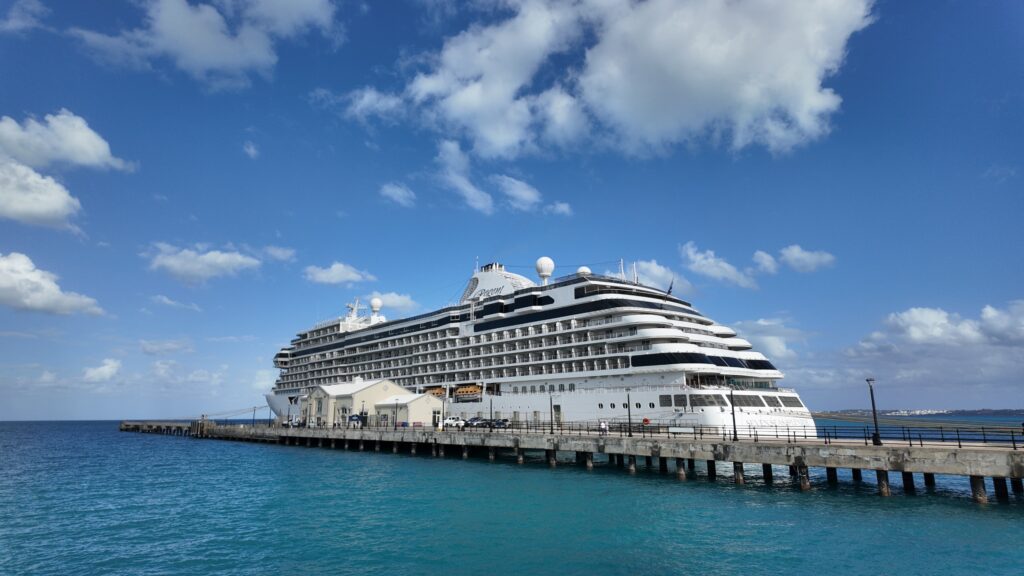
Welcome aboard. I’m Gary Bembridge, and I’ve cruised on every category of line including on ultra-luxury lines 13 times. And on every one of those, I’ve always met people expecting more and left wondering what all that extra money bought them.
So let me unpack why that happens and help you discover whether you will love or be disappointed by ultra-luxury cruising.
default
It’s Not About More
The first place where expectations collide with reality is when people step on board and realise that more money doesn’t translate into more physical things, more features, more perks, or stuff that match the increased cost of the fare.
All other cruise categories, be they resort or premium ships, are about ships having stand-out features, things that you will notice and are unique to that line.
Royal Caribbean has 6 themed districts, like Central Park, and attractions like Flow Riders, zip lines. Holland America has the Music Walk with different focused live music venues like Billboard on Board, Rolling Stone Rock Room and BB King’s Blues Club, and Princess ships have a big grand atrium with constant activities, restaurants and entertainment venues radiating around it.
But when you step on board an ultra-luxury ship, you find that is not the case – with two main surprises striking people.
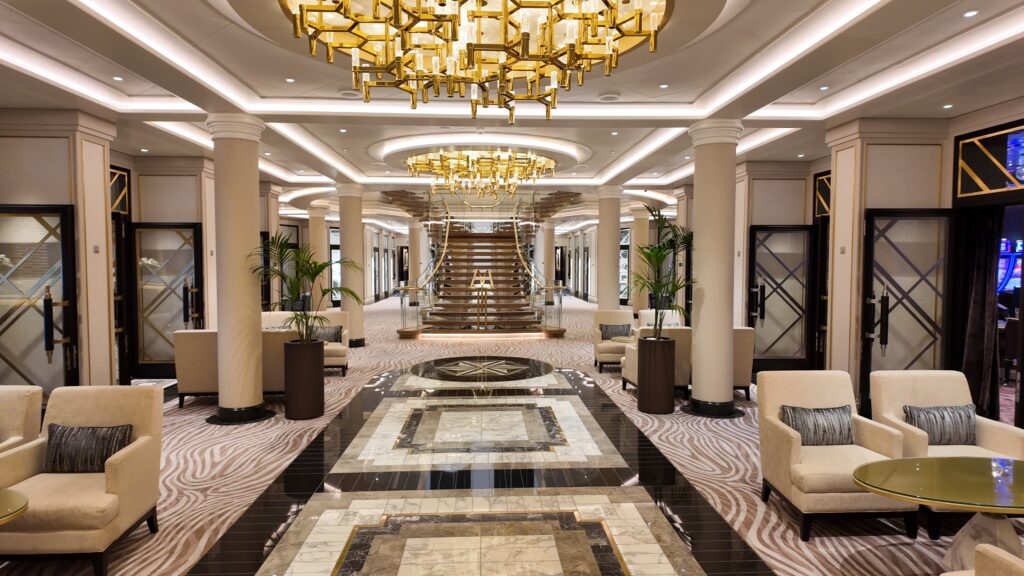
First, they don’t get that spectacle they get on other category lines. What they find on board is less. It’s quieter, less showy, and not as feature led as the other categories. It tends to be quite subdued, with a more an upmarket boutique style to it. There’s no grand atriums and big signature features. The decor is discrete and subdued. It’s about cosy lounges and intimate bars. There aren’t big dramatic flourishes.
What you step on board is quiet and calm.
default
The other thing new to ultra-luxury cruisers discover is the venues aren’t crowded. They can always get a seat in a lounge and by the pool. There are more quiet spots. They can get off the ship fast in port as there are no lines and crowds pushing to get off. They can get more attention and help quicker at bars and guest services because there’s no lines.
But of course, there’s much less choice than there are on the other categories of cruise lines as there are fewer venues.
For example, on my most recent ultra-luxury cruise on Silversea Silver Nova they only had seven dining options, two Main Dining Rooms (Atlantide and SALT Kitchen), a buffet (La Terrazza), a pool grill which also acted as the pizzeria, and three specialty restaurants, Kaiseki Asian, Silver Note, and La Dame French Restaurant.
However, the trips I did before that was on Sun Princess which had 30 dining venues, and Royal Caribbean Symphony of the Seas had 23.
So, in all those other categories, you have so much more but on ultra-luxury you have so much less.
Entertainment of course is way more minimal. You don’t have those big production shows with special effects and a large cast of singers and dancers. You have a quieter, simpler shows.
For example, on that Silversea Silver Nova, I had four singers and four dancers performing themed shows around different musical themes, and the show band and a couple of soloists played sets dotted around the ship.
It was a much lighter program of events with a couple of speakers, trivia, bingo, dance class and so on, run by a much smaller team. On Silver Nova there was around 10 events a day, but on Sun Princess there was up to 80 activities each day.
So unlike other cruise categories, ultra-luxury is not designed to entertain you, it’s designed to give you space to unwind, to relax, and to meet and chat with others.
So, this leads people, once they realise it’s not about big features, nor about events and activities, to wonder where does the money go? And here’s where they start questioning things.
Where The Money Goes
First, they realise they have cabins that are way smaller for the same money than they could get on the other categories. So, if they’ve been cruising in a suite on Royal Caribbean, Celebrity, or like I had on Sun Princess, once they step on board ultra-luxury for roughly the same amount of money, they going to find a much smaller cabin.
But they will find richer decor, classier soft furnishings. But it is a smaller space.
Also, on most ultra-luxury lines, other than Silversea and Crystal, which have a butler, they’re just going to have a cabin steward as in the other cruise line categories.
So, then people wonder, is all the difference in dining? Is this where they’re going to see where their money is going to?
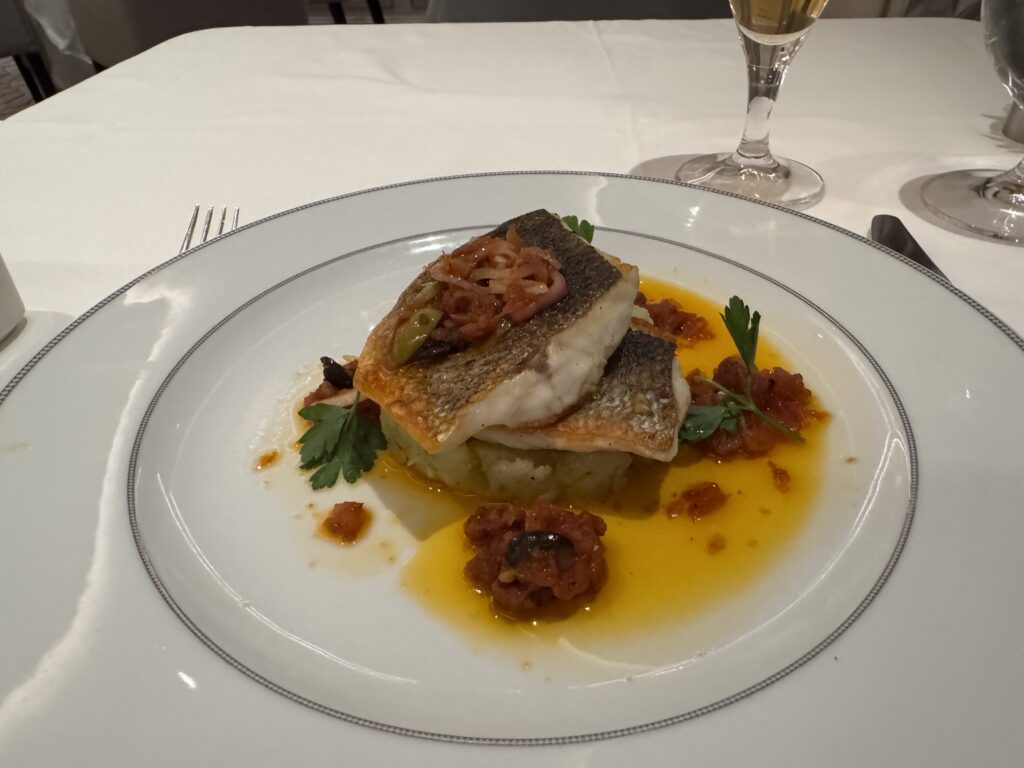
I meet so many who expect big dramatic change and shift in the dining experience. Some think there will be Michelin-level food, lots of dining theatre, and sophisticated dishes.
However, that’s not really the case. Of course, they see that dining on ultra-luxury ships is well done, with large menus compared to other categories, but many feel it is rather similar dishes and not dramatically better considering the difference in the fare.
Personally, I find it elegant and elevated, but it’s still classic dining. Well-presented and visibly and taste wise higher quality ingredients. But it does not have a big wow factor many expect.
I saw that first-hand when I went ultra-luxury with my partner who had experienced Cunard Queens Grill dining and expected that level and approach on an ultra-luxury line.
Cunard Queen’s Grill is probably the ultimate in cruise ship dining. It has a refined menu along with the ability to order off menu, all made in a dedicated kitchen for the relatively small numbers in that category on their ships.
You have a dedicated table that is yours for every meal, along with three waiters to cater for your every need who get to know your every like and preference. Many dishes are prepared table side by one of the Maître Ds.
But on ultra-luxury lines you don’t have a dedicated table, you usually have one waiter who may or may not have served you before so does not know your likes and preferences, so this is as with other categories of lines.
It is not as elevated on the experience and service side as people expect. Certainly, my partner was thrown and underwhelmed by that.
Another area people often realise is that while ultra-luxury lines make a lot of the fact that they’re all-inclusive, it doesn’t necessarily mean everything is included.
While ultra-luxury line fares do include way more than other category lines, like drinks, gratuities, basic Wi-Fi, specialty dining, and fitness classes. Most have extra charges.
For example, on all ultra-luxury lines except for Regent, excursions are an extra cost, so is streaming level Wi-Fi, more sophisticated wines, and even on some like Silversea some of the speciality dining is an extra charge.
Also, importantly, what people realise is when you do visit a port on an ultra-luxury line, you’re likely to do pretty much the same things there and the excursions are usually the same as on the other categories, because the things to do in a port are things do in the port.
However, one upside I found is smaller group sizes.
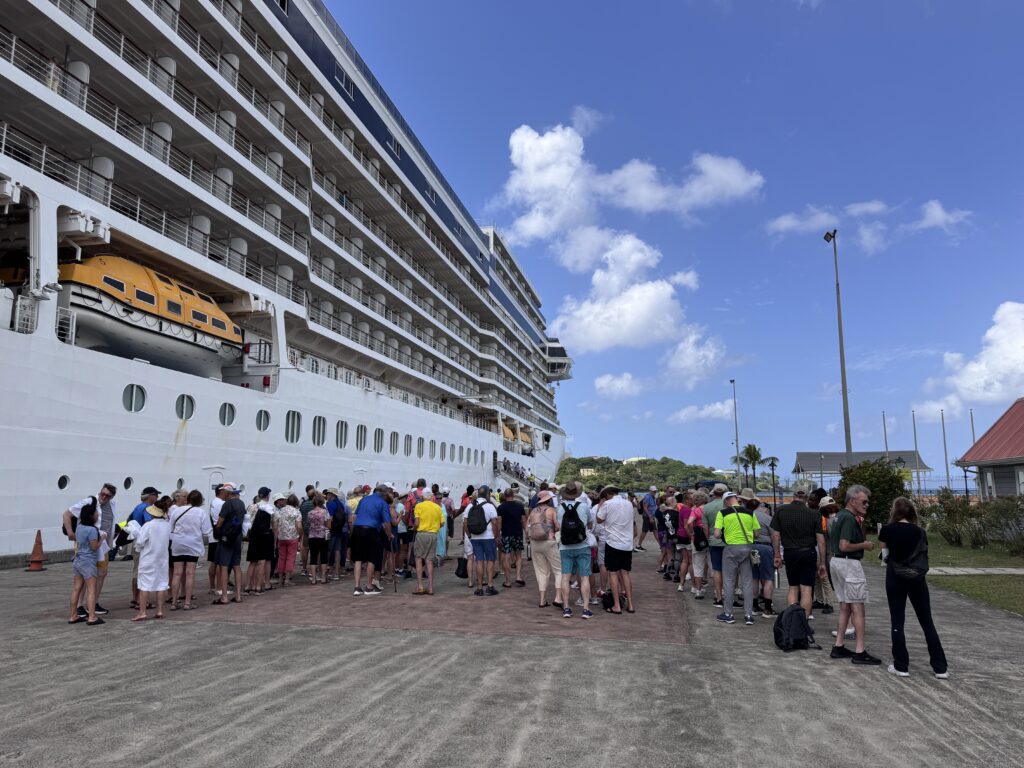
What many though do find and appreciate is service is more personalised.
On the other categories of lines, crew are trained to be highly efficient, and to deal with people and get things done as quickly as possible due to the numbers.
However, I find that on ultra-luxury it’s not about doing things fast, it’s about spending time to get to know me, get to know what I want, and to recognise me by name. I find on all ultra-luxury ships I have been on, soon everyone across the ship knows my preferences and name.
Is it Better?
Is cruising ultra-luxury dramatically better overall though? Well, for many people going for the first time they tell me it wasn’t as dramatically different or better than they expected. Why?
The big realisation I had when I went on an ultra-luxury line for the first time, and what I have appreciated on the 12 I have been on since, is that it’s not about getting more, it’s not about more activities, more features, it’s about getting less. And that’s by design.
There are fewer people, less crowds, less hustle and bustle, no need to queue for things, and more relaxing, quiet, and being pampered and attended to.
Of course, there are other upsides to ultra-luxury like on itineraries because the ships are smaller, and so in most regions they call on smaller ports that bigger ships cannot visit.
They call on more remote or inaccessible ports that need tenders to get on land, like when I went to the Greek Islands on Seabourn visiting ports other big ship cruise categories cannot visit.
They dock in the centre of town where big ships can’t, like when I went to Shanghai on Crystal and we sailed right into the heart of the city, past lines like Norwegian and Cunard having to dock far out in the container port.
But what I’ve found, is people I’ve met on board ultra-luxury who really enjoy it are those who are looking for less. They’re not looking for the spectacle, big ship choices, or to be entertained all the time. They’re looking for more personalised attention, and probably a calmer, quieter cruise environment.
The people that I found have not enjoyed it are those expecting more, and being able to account for added perks and “stuff” to add up to the amount of extra fare that they’re paying, or those whose idea of a great cruise is one with lots of energy, buzz, lots of choice, and to be entertained all the time.
Discover more from Tips For Travellers
Subscribe to get the latest posts sent to your email.