I’ve Done 15 Caribbean Cruises. Here’s What No-One’s Telling You!
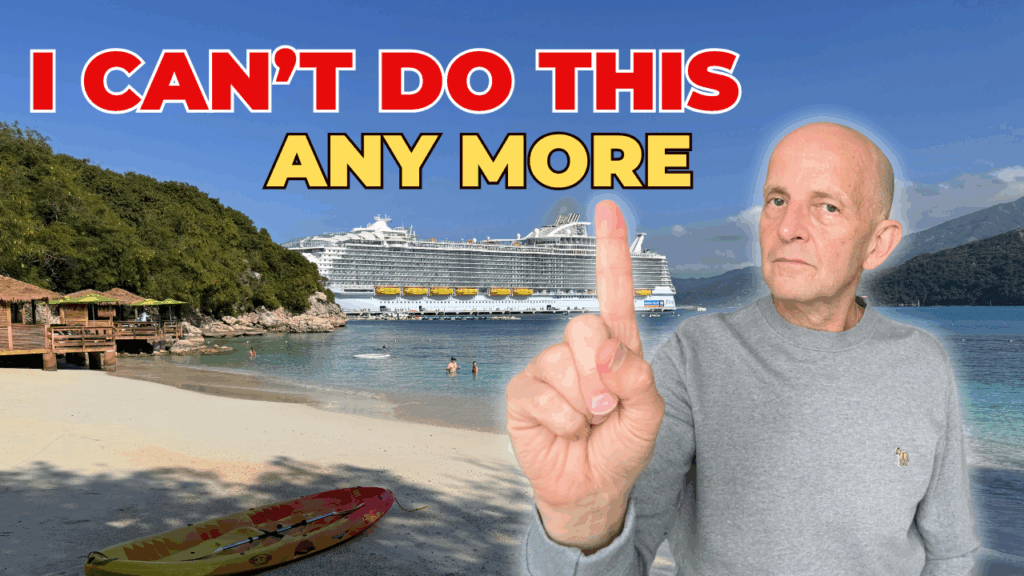 I’ve Done 15 Caribbean Cruises. Here’s What No-One’s Telling You!
When I took my very first Caribbean cruise 18 years ago, I had no idea how often I would return. Yet here I am, fifteen Caribbean cruises later, having travelled on every type of cruise line you can imagine, from megaship resort, premium and small luxury lines, to most recently an ultra-luxury one on Regent Seven Seas Splendor.
I’ve seen the Caribbean from just about every angle, route, and itinerary, but what’s become more striking on every trip is how much Caribbean cruising is changing. And in ways most cruisers don’t appreciate.
Welcome aboard. I’m Gary Bembridge and after coming come face-to-face with some of the biggest changes yet on that recent cruise on Regent Splendor I felt I needed to make this to help future Caribbean cruisers understand the changes, Caribbean Cruise Watch Outs, and what to do about them and why.
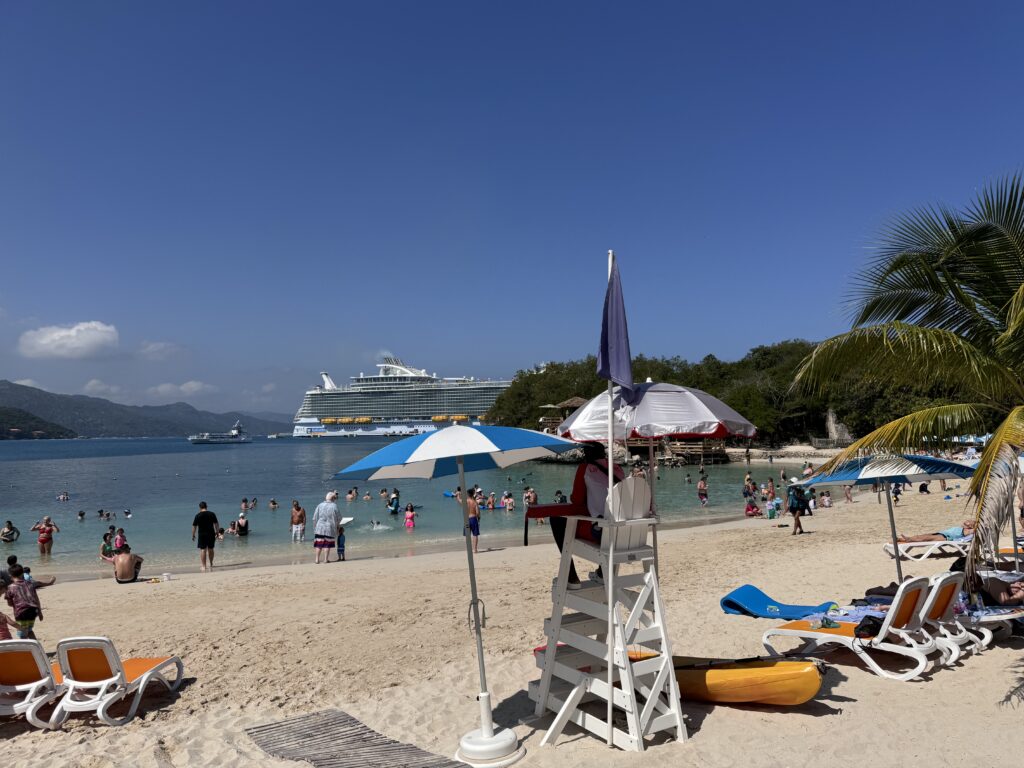
Caribbean Cruise Watch Outs: Getting Crowded
When I think back to that first Caribbean cruise I took in 2007, it feels like a different world now. Back then it was almost normal to be the only ship in port. I stepped ashore to find uncrowded beaches, little local shops and markets, and no lines for taxis or excursions.
The pace was slow and relaxed, the ports felt like real island towns, and even the busiest spots felt laid-back. It was easy, it was quiet, and it felt genuinely tropical and escapist.
But gradually, year by year, trip by trip, that’s shifted. Today the Caribbean feels busier than ever. And that’s because of three key changes, including one that has arrived with huge implications in the last few years.
First, there are many more lines operating in the Caribbean. It seems every cruise line sails there now, even European-based lines base ships there in the season, including P&O Cruises, Cunard, Ambassador and Marella from the UK, and Mein Schiff and AIDA from Germany.
When new lines launch, they have focused ships heavily on the Caribbean including MSC Cruises with multiple mega ships, Virgin Voyages who operate all their ships in the region, Ritz-Carlton Yachts, and Explora Journeys.
Second, not only are there more lines, but all are sailing more of their ships there. Industry data shows over 150 ships now sail in the Caribbean. That’s roughly half of all the ships in service.
But not only are there more ships, every year those are bigger ships. And that’s not just due the launch of more mega ships like Icon of The Seas able to carry over 7,000 passengers. Every line is launching bigger ships.
For example, even Holland America’s latest Pinnacle class like Nieuw Statendam carries over 500 more passengers than the previous Vista Class, and new ultra-luxury ships for lines like Silversea and Regent carry more passengers than their existing ones.
And even the new classes of ships themselves are being supersized when new ones are launched. For example, the latest versions of Celebrity Edge Class ships (Xcel and Ascent) carry several hundred more passengers than the first versions (Edge and Apex).
This all means that even if the same number of ships are calling into a port on any day as they used to, there can be thousands more visitors streaming off them.
And this leads me to the third big factor on why it is exponentially busier. Cruise lines are still sailing to the same islands and ports as I went to 18 years ago.
The itineraries haven’t changed much at all. The Western routes are the same. The Eastern routes are the same. The Southern routes are the same. It’s the same islands—just dramatically more people.
This has led to cruise lines scrambling to find solutions, which has resulted in three major changes that are reshaping Caribbean cruising and our in-port experiences more than anything else these days.
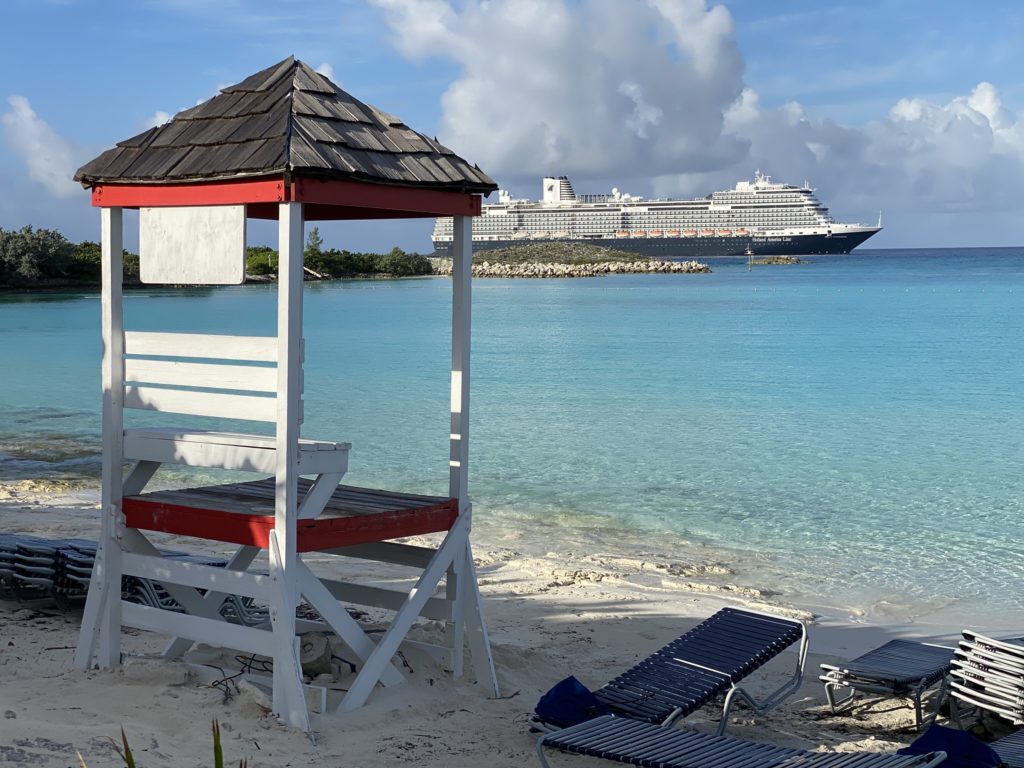
Caribbean Cruise Watch Outs: Cruise Line Solutions
First, they’ve been working with islands to create more places that ships can dock on existing islands.
For example, on that recent Regent Splendor cruise, we docked at the Royal Navy Dockyard in Bermuda. Created because of limits on the number and size of ships that could dock in the more attractive and convenient Port of Hamilton.
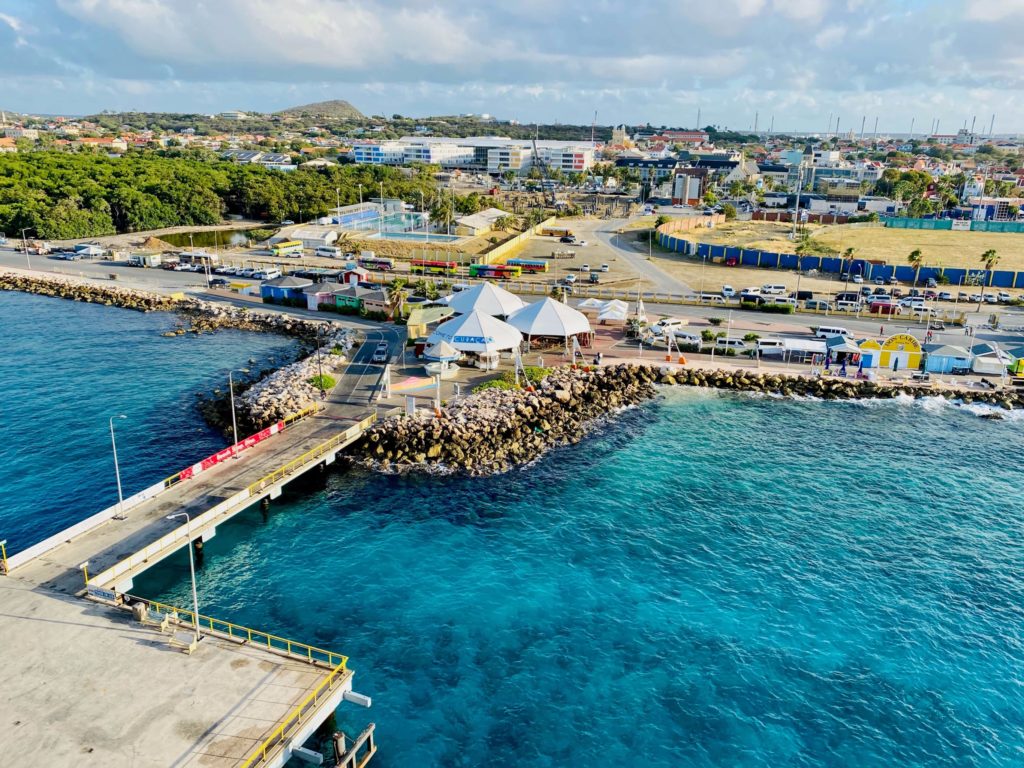
This area was developed and revamped as a destination for cruise passengers with most of the activities, shops, and tour providers setting up there focused on serving a cruise passenger bubble.
Jamaica, too, now has three major cruise ports — and the one built with Royal Caribbean in Falmouth that I called on when on Symphony of the Seas is essentially a curated shopping and entertainment complex for cruisers.
Over in Roatán, there are now two cruise-developed ports: Mahogany Bay developed with Carnival Group and Coxen Hole developed with and used by Royal Caribbean and Norwegian group lines. They have features like beach zones, swim-up bars, shopping plazas, restaurants, and entertainment venues.
The problem is many of these are passenger traps focused on chain-store shopping and cruise-line controlled activities rather than authentic Caribbean experiences.
The second major change is even more dramatic: the creation of entirely artificial cruise destinations.
Costa Maya in Mexico is perhaps the most famous example. It was built from scratch for up to four cruise ships to call per day. It is an enclosed area with bars, restaurants, shops, pool, and activities.
But the third—and most significant—change is the explosion of private islands and private beach clubs.
Cruise lines have realised that not only do they need places for all their ships to go with existing ports full but if they own and control the port stop, they can manage crowds, offer better experiences, and keep far more of our in-port spend.
As a result, private islands have become central to Caribbean cruising now.
Royal Caribbean has Perfect Day at CocoCay in the Bahamas and Labadee in Haiti.
Carnival Corporation has several used by their different lines like Half Moon Cay by Holland America mostly, Princess Cays, and Celebration Key mostly for Carnival Cruise Line.
MSC built and developed Ocean Cay in the Bahamas and Disney has Castaway Cay.
Norwegian Cruise Line has Great Stirrup Cay in the Bahamas and Harvest Caye in Belize.
And now lines are moving into and adding more cruise-line destinations in the form of private beach clubs.
Virgin Voyages has its Bimini Beach Club. Royal Caribbean has the Royal Beach Club on Paradise Island Nassau and are developing Perfect Day at Costa Maya on land they bought around that cruise-created port.
But the drawback of these islands and beach clubs is important: the more of these curated spaces we visit, the less time we spend in real local communities and the less genuine Caribbean culture we experience.
The Caribbean cruise experience is becoming more resort-like and less authentic, and many travellers don’t realise that until they’re already there.
Another huge shift—one that few cruisers are aware of and talk about—has been the changing safety landscape across parts of the Caribbean.
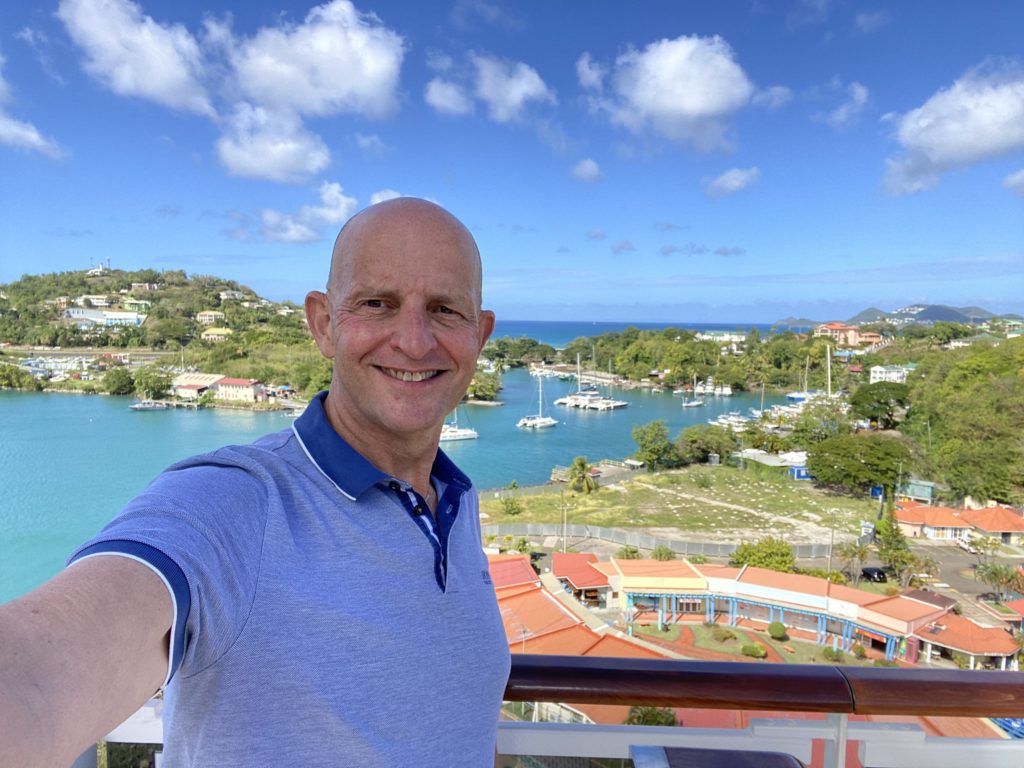
Caribbean Cruise Watch Outs: Safety
Many islands are struggling and suffering with economic hardship despite booming tourism.
The flow of affluent visitors has in some led to an increase in crime against them, as well as within communities. A few sit on drug trafficking routes, and gang activity has increased in some areas.
As a result, government travel advisories for the Caribbean and ports on many itineraries have fluctuated over the years, sometimes dramatically. And they are surprisingly widespread these days.
Right now, Haiti is at the highest travel warning level due to gangs and lawlessness, and cruise lines have stopped visiting there at all and even Royal Caribbean private resort Labadee is being avoided at time of making this.
Trinidad and Tobago and the Dominican Republic are at levels where the US government is advising travellers to reconsider visits due to crime, robbery, and sexual assault. Jamaica has similar warnings in place.
Even hugely popular destinations like The Bahamas and Turks and Caicos are under advisories urging extra caution and care due to crime levels.
On top of that, I’ve noticed a rise in unlicensed tour operators—particularly on beaches offering jet skis, parasailing, snorkelling trips, and other water sports. Many are uninsured and unlicensed, which poses real risks.
Taxi scams are also increasing, with drivers overcharging or taking passengers on so-called “custom tours” that turn into a circuit of shops where they earn commission. These are things I rarely encountered 18 years ago but see far more often today.
And then there’s the explosion of shopping commercialisation.

Effy Jewelers Caribbean Shopping Promotion
Caribbean Cruise Watch Outs: Shopping
Most mainstream resort-style and premium lines cruising the Caribbean these days have on-board Shopping Advisors. They place various maps, coupons and offers in your cabin for when you board, run shopping talks, and run various events on the ship and in the stores in port.
When I first cruised the Caribbean 18 years ago, I did not come across these. These Shopping Advisors are not employed by the cruise line, but by third-party providers such as PPI Group (https://www.ppigroup.com/selling-at-sea/) and their job is to drive passengers to stores in the ports that have paid to be in the shopping program.
The stores and advisors use promotions like free charms to collect in each port from a store like Effy Jewellers to lure us in. The cruise lines earn large sums from the stores taking part in these programs.
These days the cruise port areas are full of chain stores like Diamonds International, Effy, and Del Sol Color Change. The same stores dominate every Caribbean port. Even chain bars are becoming more common.
Over the years and trips I have seen increasingly local shops and providers being squeezed out and even shopping is becoming less authentic and unique as in most of the souvenir shops, if you look at where the goods are made, they’re usually made in China rather than by local craftsmen.
There’s another change that has become impossible to ignore too: the weather.
Caribbean Cruise Watch Outs: Weather
The weather seems to be becoming more volatile and changeable over the years I have been cruising the Caribbean.
The hurricane season seems to be longer, with ever more powerful storms hitting the islands with increasing velocity. At the time that I’m making this was just after Hurricane Melissa had affected that Regent Splendor cruise with Bermuda showing damage, and cruise lines cancelling stops in Jamaica due to their damage. Several ships and routes were significantly adjusted to avoid the passing storm.
The same month I was sailing an unseasonable cold front hit part of the region, and so some cruise lines changed plans to visit other islands.
I also noticed when snorkelling on the trip that the coral reefs in Grenada and Bonaire had deteriorated and looked less healthy and alive than in the past due to (I assume) climate change and warming oceans.
Despite all of this – the crowds, commercialisation, rising crime concerns, changes in weather – the Caribbean remains one of the most appealing and magical places to cruise. It still has stunning beaches, beautiful sea, warm turquoise water, easy access from Florida, Texas, New York, and even Europe, and that irresistible promise that I can escape cold, damp winters for sunshine and warmth.
And I live that we can cruise the Caribbean at almost any price level, from a tight budget all the way up to ultra-luxury. That’s not going to change.
But what has changed is the need to plan better and be more strategic than ever before!
Discover more from Tips For Travellers
Subscribe to get the latest posts sent to your email.