
Regular Vs. Ultra-Luxury Cruises: The 4 Big Differences I DID NOT Expect!
 Regular Vs. Ultra-Luxury Cruises: The 4 Big Differences I DID NOT Expect!
While most cruisers have not been on ultra-luxury cruise (yet?), all of us are intrigued and want to peek behind the curtain to see what it’s really like on board them, and to discover exactly how an ultra-luxury line, ship, and cruise is different from regular cruise lines.
So, after cruising on five regular lines recently, Royal Caribbean, Norwegian, Holland America, Celebrity and Princess, I decided to book myself on two different ultra-luxury lines to find out and compare my experiences on those regular lines to these ultra-luxury lines.
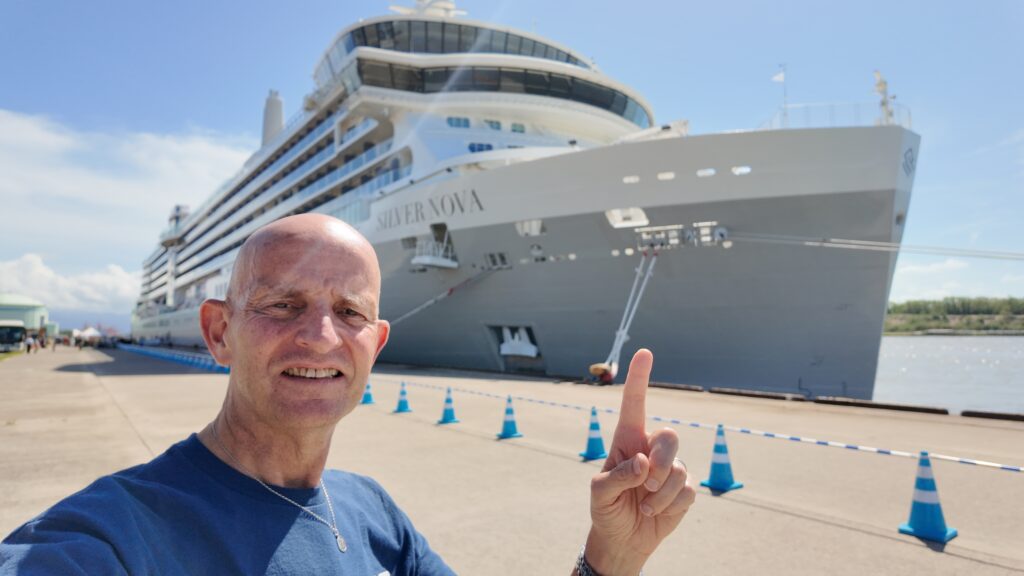
As always, I booked and paid for my cruises on Silversea Silver Nova and Regent Seven Seas Splendor at the going rate via my travel agent, and this what I discovered – a lot of which surprised me!
The first of four big questions I had going in was: “would their smaller ships feel overly limiting?”.
default
Question Ultra luxury versus Regular Cruises: Too Limiting?
After action packed daily programs, loads of venues, and many dining options on those recent regular lines, I worried I would find the lack of choice stifling and the daily program sparce, and possibly too highbrow on these ultra-luxury lines.
But, before I could even explore those size-related concerns, something struck me as soon as I boarded. And that was how understated ultra-luxury ships are versus regular cruise line ships.
These days regular cruise ships are increasingly going for a wow factor: big soaring atriums, high-tech theatres, and unique features.
For example, my Royal Caribbean Symphony of the Seas ship had 6 different themed districts, including the unique Central Park packed with plants, and massive entertainment venues, water park and rides.
Sun Princess had a huge multi-level glass-sided sphere-shaped atrium which hosted events all day and night.
Celebrity Edge had the Magic Carpet on the side of the ship that is a bar, dining venue and moves to sea level to become the tender platform.
All the regular lines I have been on are focusing on having standout glitzy features or attractions on their ships.
But I found ultra-luxury ships are not feature-based at all. They were rather muted and understated, like a boutique hotel. They weren’t flashy, had more muted décor and didn’t rely on gimmicks or flashy WOW features to stand out.
So, by not having these features I did wonder what the standout differences would be.
I mentioned earlier I wondered if size and the number of passengers would be limiting. It wasn’t as limiting as I thought and had some upsides.
Of course, the scale is dramatically different. Regular cruise ships carry between 2,000 and 7,000 passengers. While Ultra-luxury ships carry between 400 and 1,000. On Silver Nova I had 728, and on Regent Splendor 750.
And this revealed one of the biggest differences immediately: No queues for anything ever, and always able to get a seat in a restaurant, bar or by the pool.
And while there was less choice than on regular lines, there was still a surprising amount of choice on both Siver Nova and Regent Splendor.
default
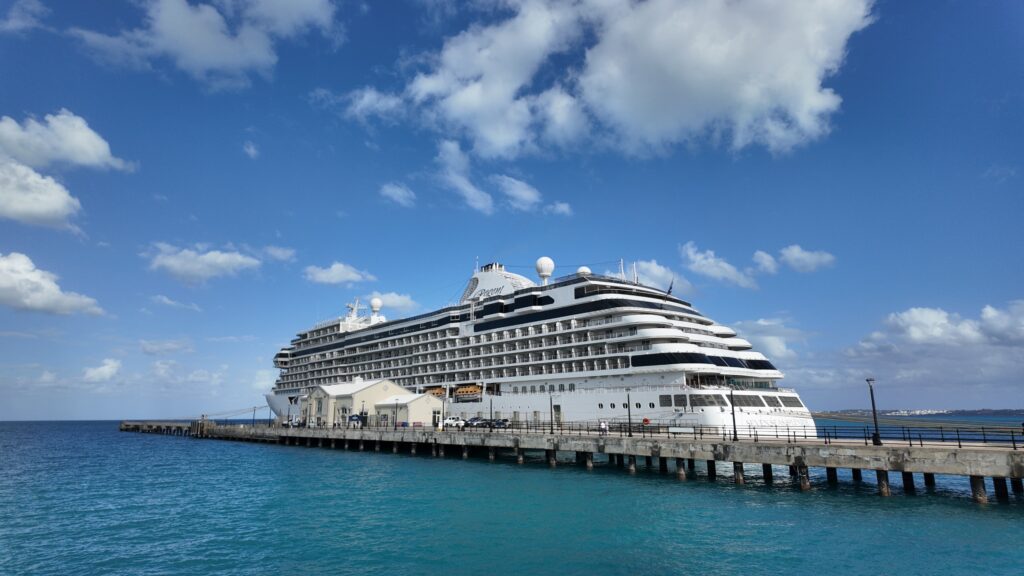
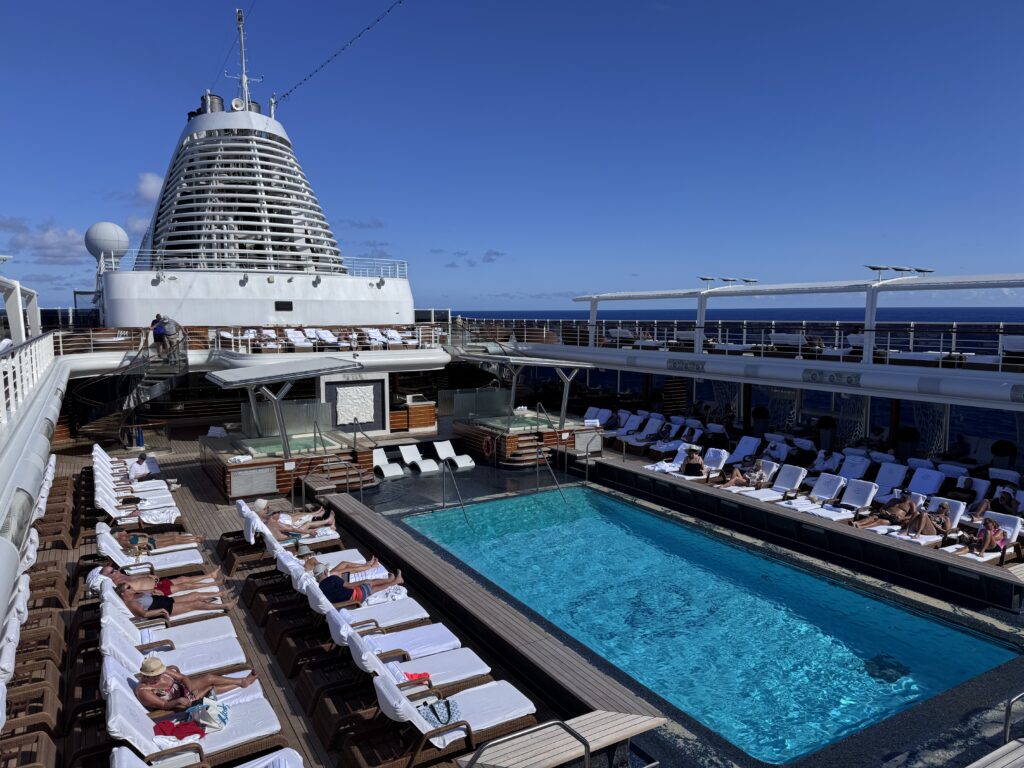
For example, Regent Splendor, which I’m just off, had three lounges with bars (Observation Lounge, Splendor Lounge, and the Meridian Lounge) as well as a Pool Deck bar. There was a good-sized pool with hot tubs, with others on a spa deck.
It had a fitness centre, spa, casino, Cooking Classroom, library, coffee shop, shops, Paddle Tennis court, Crazy golf course, deck games, and a walking / running track, and six dining venues which I will talk about more later.
While regular cruise ships have way more choices, I was surprised at how much choice and options there were on board ultra-luxury ships.
Though they do have fewer choice of cabin types.
On regular cruise lines, they have cabins for a wide range of budgets and preferences, including affordable inside cabins, Oceanview cabins, Balcony Cabins and Suites. Many even offer family rooms and some have solo cabins.
Ultra-luxury ships only have what they call suites.
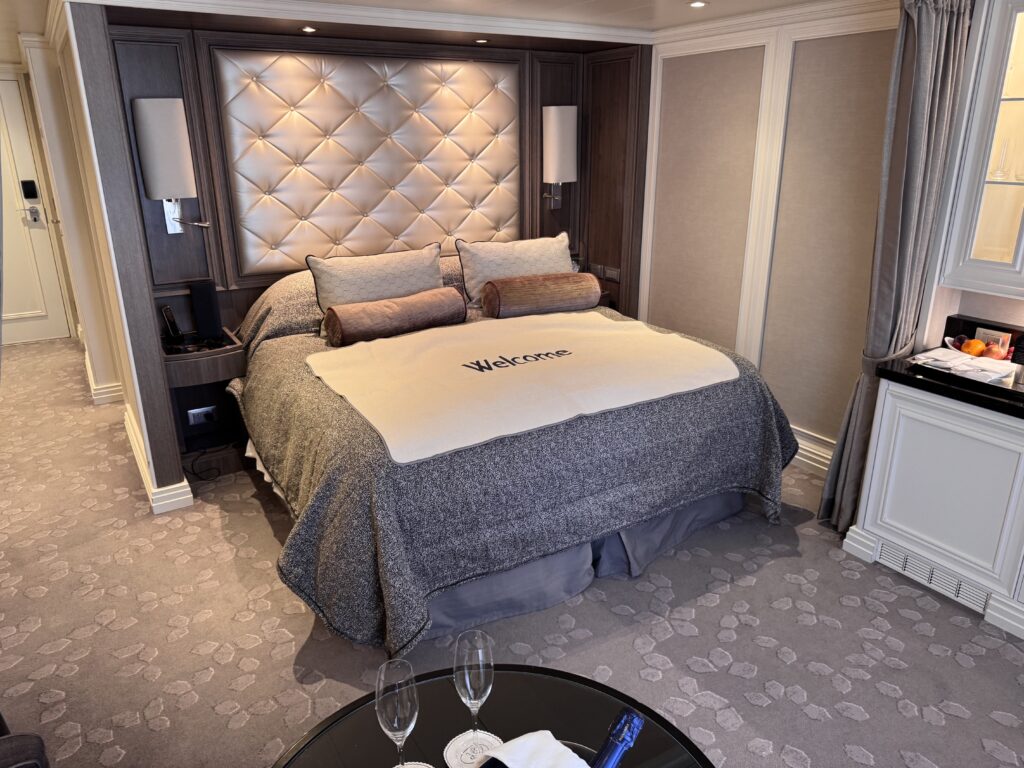
Although, as I discovered, most suites are more a large balcony cabin with space for seating and dining rather than an actual suite.
For example, on Regent Splendor, I booked a Serenity Suite which was a good-sized cabin but really was like an oversized balcony cabin on regular lines. While for the same price, I could get a large and proper suite on a regular cruise line.
For example, for roughly the same price, I could get a huge Neptune suite on Holland America at probably double the size and on Princess more of a proper suite with separate seating and dining area and separate bedroom area.
Of course, another big difference I found was entertainment.
Regular cruise lines are focused on offering constant activities through the day and into the night, with big bold production shows. Their program is designed to offer loads to keep cruisers busy, and we don’t really have to think of things to entertain ourselves.
I found ultra-luxury rather different. It was less action packed with a light program, often run by one cruise director and an assistant with help from the production singers and dancers.
On those recent regular cruises, I got Broadway-style shows, trivia, games, pool parties, live music across various venues, enrichment and so much more. I counted on my Symphony of the Seas and Sun Princess trips around 80 activities each day.
On those two ultra-luxury trips, there were dramatically less. There were though trivia, bingo, enrichment talks, craft classes, occasional dance class, and live music.
In the evenings there was simple themed song and dance shows with four singers and four dancers. The evenings were more about dining and socialising. Whereas on regular cruise ships, it’s about being entertained all the time.
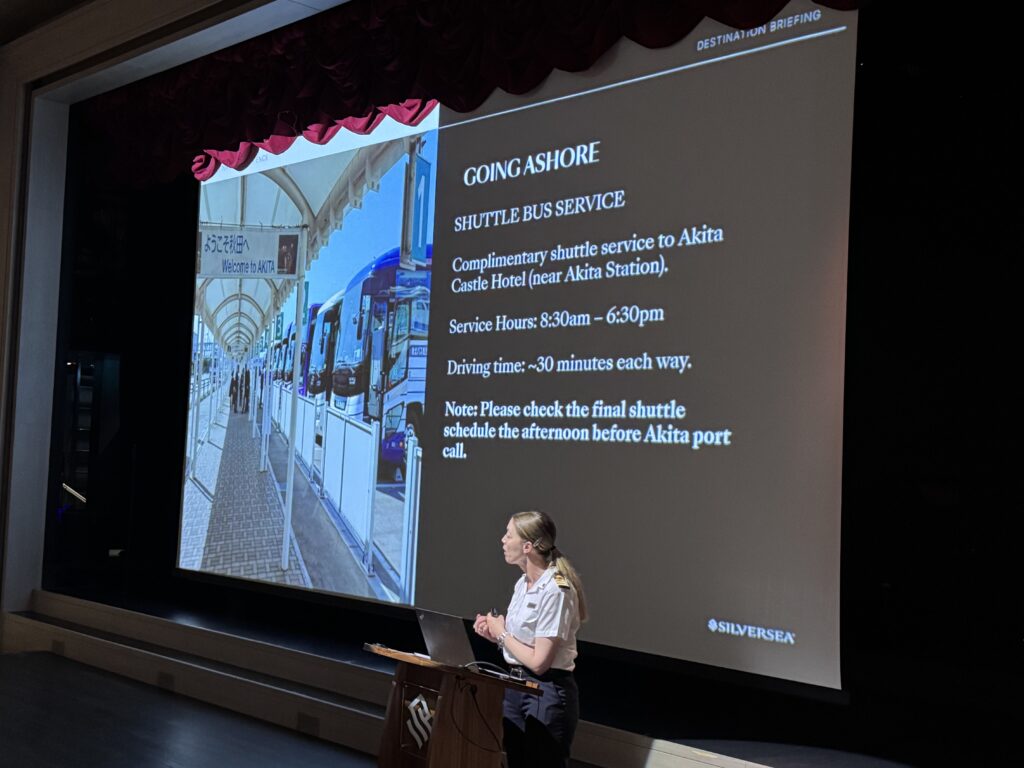
Another big difference I noticed was around service.
Ultra-luxury has a higher crew to passenger ratio of almost 1-to-1. However, the crew are from the same places and have the same mix. Mostly European senior crew and the waiting, cabin, bar and ship operation staff from the Philippines, India, Indonesia and African countries like South Africa and Zimbabwe.
I felt the real difference was around what the staff are there for and how they’re trained.
On regular lines including Royal Caribbean, Norwegian, Princess and Holland America, service is focused on how the crew can be fast and efficient, get as much done, deal with as many passengers as they can as quickly as possible.
But I found ultra-luxury service was more interactive and slower. Not slow in terms of time, but in that crew could spend time talking, understanding what I liked, and of course getting to know my name. I was called by my name on those ultra-luxury ships throughout the ship in every department.
Staff learnt my habits and preferences both because there’s fewer people to remember and that’s what they’re required to do.
Linked to this point on service, I had one unexpected discovery. This was that ultra-luxury is way lower tech than regular cruise lines.
Those lines are using and rely increasingly on technology, especially as their ships get bigger.
On regular lines I had to use online check-in and apps to ensure a smooth cruising experience. I was encouraged to, and found it easiest to, use their App to access the daily program and menus, book packages like Wi-Fi and Drinks, plan and book speciality dining reservations and times when on Anytime Dining in the Main Dining Room, to book excursions and even now on some retrieve my excursion ticket, and so on.
I can see why regular cruise lines want us to self-serve on Apps, as it reduces time crew must interact with us and can cope with so many more people on board. Princess even has the wearable Medallion so crew can identify us and call us by name without learning it.
But on those ultra-luxury lines I found them much less high-tech. On Regent, they didn’t even have an App. On Silver Nova, they had sort of an app, which was more like a series of webpages with limited functions like ability to review PDFs of the daily program and menus. Both had Interactive TVs which offered the same.
Certainly, I found on those ultra-luxury lines, I did not need my mobile phone to get many things done, but on regular lines these days it’s almost impossible not to have a mobile phone on hand.
But having digested the findings of my first big question about differences between regular and ultra-luxury based on the size, what about my next big question, which was about dining.

Question Ultra luxury versus Regular Cruises: Dining?
I wondered whether dining would be dramatically elevated and would be like eating in the fanciest restaurants in a big city with gourmet and intricate food all the time.
But it wasn’t.
Like on all the regular cruise lines, I found the menus to be classical with many standards and similar dishes, because I assume that’s what we cruisers want. Though, I did find six key differences!
First, the menus and choice on them was significantly larger than on any regular cruise line I have been on recently. Regular lines seem to be cutting back to simplify and hold costs, but both ultra-luxury lines had large sprawling menus for every meal.
Second, unlike regular lines there were no added surcharges for some dishes like steaks or lobster, or for ordering more than one entrée.
Third, everything seemed a higher grade or premium. From the cuts of meat, quality of the ingredients like vegetables, even the quality of the fruit at the buffet for breakfast seemed superior.
Fourth, more dishes appeared to be made to order and less mass-produced. On regular lines, dishes are batched cooked as they must be turned out on scale. There are hundreds or even thousands of cruisers being served at the same time.
On ultra-luxury ships, the kitchens are only serving a few hundred, and as the menus are large, they need to make more dishes to order.
Fifth, there was more ability to personalise dishes by changing or adding vegetables, sauces and so on.
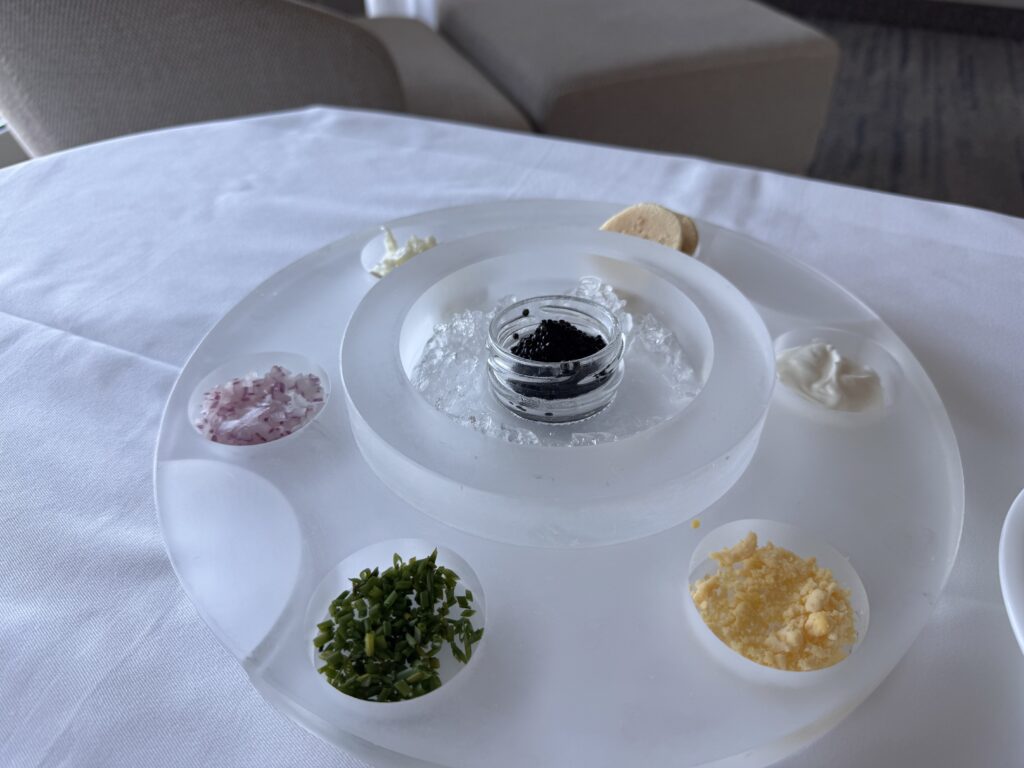
Sixth, there were of course some more exotic touches. On Silversea I could have as much caviar as I wanted, and on Regent, they had caviar breakfasts at least once a week, and both ran a sprawling exotic brunch during the cruise, and Silversea a fancy chocolate buffet one evening.
Though I was surprised to find that all dining was not included in the fare, or there were some limits.
While Regent did include all speciality dining, I could only go once to each one but could try and get extra bookings during the cruise. Silversea charged for dining in two venues, Kaiseki the Asian and La Dame the French one.
Another thing I was less keen on was that ultra-luxury has no informal dining buffet in the evening, unlike regular cruise lines. I really missed not having that option as both turned them into Italian waiter-served restaurants each evening.
Many first-timers to ultra-luxury I spoke to on both trips said they didn’t find as big a difference to regular cruising as they expected.
In my view it was elevated, the choice bigger, and the quality was higher. But it’s probably not as massive a leap as expected by many.
And talking of people on the cruise, one question I had coming in was would passengers on ultra-luxury be snootier, harder to relate to, or very different to those on regular cruise lines?
Question Ultra luxury versus Regular Cruises: Passengers?
What I found was rather surprising on several fronts.
First, I saw the same bad behaviours as I see on regular cruises. Chair hogs at the pool, cruisers doing FaceTime calls or watching videos on speakerphone, and reminders in the daily program as on regular lines asking passengers to not slam cabin doors, not to reserve loungers and theatre seats, not use the guest laundry room outside the set hours, stick to the smoking areas, the dress code, and so on.
Second, I found the same things popular on regular cruises are on ultra-luxury too. Trivia was packed, live music and shows busy, talks well attended, and like on regular cruises many would avidly be collecting points for attending the activities to redeem for branded merchandise and gifts at the end.
In fact, the biggest realisation was that ultra-luxury cruisers just want the same thing as regular cruisers. They want a comfy cabin, good food, good service, some entertainment, good company, interesting ports, and excursions.
The passengers were, of course, relatively well off to afford it, well-travelled and most had been on lines of all types. Many moving from regular to ultra-luxury once their kids grew as they wanted a more adult environment that was smaller and more laid back and they had less need for constant entertainment being available.
And they weren’t flashy as I had expected. For example, it wasn’t any more dressy than regular lines, in fact less dressy if anything. On Regent, we were allowed to wear jeans and polo shirts to meals, which on some regular lines is not allowed.
Question Ultra luxury versus Regular Cruises: Value For Money?
Of course, the biggest difference between regular and ultra-luxury is the price.
A balcony cabin on resort lines like Royal Caribbean or Norwegian can cost from about $150 a night, on premium lines like Holland America or Princess from at least $300 a night, on luxury small ship lines like Viking or Oceania from around $600, but on Silversea or Regent and other ultra-luxury lines it is at least $1,000 a night.
And while there are more inclusions than regular lines like drinks, speciality dining, surfing Wi-Fi, Fitness Classes, and gratuities, I found there were still some on costs like for very fancy wines, streaming-level Wi-Fi, and for excursions on all but Regent.
Though I did like the lack of push to upsell, with no photographers and promotion of packages, added charge events and so on.
But I am often asked and wondered if the added fare is good value versus regular lines?
If I look at the difference in cost, and deducted the physical things included like drinks, gratuities, dining and so on, unless you are cruising in a fancy suite on regular lines, you do not get the added value back in physical things. In fact, for that price, you will get a smaller cabin as I mentioned than on regular lines.
What I realised is I was paying for a smaller ship with a more laid back, less busy, quieter and more pampered experience. There’s less entertainment, fewer activities but no lines and more personal service.
And while ultra-luxury line smaller ships can offer some itinerary differences, like on my Regent Splendor Caribbean we went to St. Barts that regular lines can’t call to because they can’t cope with the numbers, or they can dock in the heart of cities while regular line larger ships have to go to the large container ports, largely speaking they still cover the same key regions as regular lines as that’s where people want to go.
The biggest difference between regular and ultra-luxury is the calmness, the space. There’s more space per guest, there’s more crew. There’s no lines, there’s no getting your card out. You’re really paying the premium for the smallness, quietness, attention and boutique hotel style plushness of the ship.
So, if you’re looking for lively nights, and want lots of choice and lots going on, like a big regular cruise line ship can give you, ultra-luxury could feel rather quiet and less appealing.
Discover more from Tips For Travellers
Subscribe to get the latest posts sent to your email.





Great information thank you